In the dynamic ecosystem of global fashion retail, the ability to source inventory effectively is the dividing line between profitability and stagnation. For retailers ranging from boutique startups to established e-commerce giants, the pursuit of cheap clothes from China remains a cornerstone strategy. However, the narrative has shifted. In 2024 and beyond, China continues to hold its position as the “world’s factory,” but sourcing is no longer just about the lowest price tag. It is about accessing a sophisticated infrastructure of vertical supply chains, navigating complex trade compliance, and executing precision logistics.
Sourcing affordable Chinese apparel involves understanding a complex matrix of yarn production, labor markets, and quality gradients. A successful procurement strategy requires diligence, empirically backed decision-making, and a rigorous understanding of import regulations. This comprehensive guide aims to demystify the process of acquiring wholesale Chinese clothing, ensuring that businesses can leverage these opportunities while maintaining product integrity, safety compliance, and brand reputation.
🚀 Professional Sourcing Solution
Looking for a streamlined solution? Navigating Chinese domestic platforms like 1688 or Taobao can be challenging due to language barriers and payment restrictions.
SnapSpreadsheet provides professional purchasing agent services. We are the largest reverse purchasing platform specializing in sourcing products from China for customers in the United States, Canada, United Kingdom, Australia, Netherlands, Germany, Belgium, France, Portugal, Spain, Poland, Italy, Denmark, and across Europe and the Americas. We handle the negotiation, quality check, and logistics so you can focus on sales.
Deep Dive: The Industrial Clusters of Chinese Apparel
The term Affordable Chinese Apparel encompasses a vast array of textile products, from fast-fashion staples to specialized technical garments. The competitive pricing found in China is rarely a result of cutting corners on essential quality in the modern era; rather, it is a product of Industrial Clustering. This economic phenomenon refers to the geographic concentration of interconnected businesses, suppliers, and associated institutions.
For a buyer, understanding these clusters is critical. If you source denim from a city specialized in silk, you will overpay for inferior quality. Cities like Guangzhou, Hangzhou, and Ningbo have developed vertically integrated supply chains where yarn production, dyeing, sewing, and finishing occur within a tight radius. This proximity reduces transportation costs and lead times, resulting in budget-friendly fashion from China that remains accessible to global buyers.
Strategic Regional Sourcing Map
To successfully source low-cost garments direct from China, one must align their product requirements with the correct region. Below is a breakdown of the primary apparel clusters:
| Region/City | Primary Specialization | Target Market Tier | Key Wholesale Market |
|---|---|---|---|
| Guangzhou | Denim, Wovens, Complex Fashion | Mid-Market to Fast Fashion | Thirteen Hongs (Shisanhang) |
| Hangzhou | Silks, Women’s Boutique, Knitwear | High-End / Boutique | Sijiqing Garment Market |
| Ningbo | Men’s Suits, Tailoring, Knits | Corporate / Mid-Range | Direct Factory Clusters |
| Qingdao | Baby Clothes, Cotton Knits | Mass Market / Kidswear | Jimo Wholesale Market |
| Suzhou | Wedding Dresses, Evening Gowns | Specialty / Luxury | Huqiu Bridal City |
Expert Insight: When sourcing women’s fashion, specifically, Guangzhou is the epicenter for “speed-to-market.” Suppliers here are accustomed to the “Shein model,” capable of turning a design concept into a finished sample in under 3 days. However, for heavier cottons or baby clothes, Qingdao offers better pricing due to its proximity to cotton-growing regions and specialized knitting machinery.
Navigating the Platforms: Where to Buy Cheap Clothes
For entrepreneurs just starting, searching for the best websites to buy cheap clothes from China with free shipping is a common first step. However, the ecosystem is bifurcated into “International Facing” platforms and “Domestic Facing” platforms. Understanding the difference is the key to unlocking true wholesale pricing.
International Platforms (B2B/B2C)
Examples: Alibaba, AliExpress, DHgate, Global Sources.
- Pros: English interface, Trade Assurance protections, integrated international shipping.
- Cons: Prices are often marked up (15-30%) for the international market. “Free Shipping” is often slow (China Post).
- Best For: Testing the market, low volume orders, new importers.
Domestic Platforms (B2B)
Examples: 1688.com, Taobao (Wholesale channels).
- Pros: True factory-direct pricing (often 30-50% cheaper), wider variety of trending styles.
- Cons: Chinese language only, requires local payment methods (Alipay/WeChat Pay), no direct international shipping.
- Best For: Serious resellers, high-margin strategies, scaling businesses.
The Gap in the Market: While sites like AliExpress allow for smaller Minimum Order Quantities (MOQs), the serious profit margins lie in sourcing from 1688.com—the platform where Chinese suppliers procure their own goods. However, accessing 1688 requires a sourcing partner.
This is where services like SnapSpreadsheet become indispensable. By acting as your “boots on the ground,” we bridge the gap between retail convenience and 1688’s wholesale pricing structures. We enable customers in the US, Europe, and Canada to access the domestic Chinese market, handle the consolidation of goods, and manage the export logistics.
Wholesale Clothing Distributors: Vetting for Quality and Safety
Finding reliable wholesale clothing distributors in China for small business operations requires a strategic approach to verification. In the digital age, a professional-looking website is not proof of manufacturing capability. Small businesses need distributors who are flexible with MOQs but rigid on quality standards.
The Verification Framework (3-Step Method)
1. Digital Audit & Certifications:
On platforms like Alibaba, look for “Verified Supplier” badges, which indicate a third-party inspection company (like SGS or TÜV SÜD) has visited the facility. Crucially, ask for certifications relevant to your market:
- ISO 9001: Quality Management Systems.
- OEKO-TEX Standard 100: Ensures textiles are free from harmful substances (Critical for EU/US markets).
- BSCI / SEDEX: Social compliance audits (ensuring fair labor practices).
2. The “Golden Sample” Protocol:
Never place a bulk order based on photos. Request a sample. When the sample arrives, do not just look at it—test it. Wash it three times to check for shrinkage and color bleeding. Check the GSM (grams per square meter) of the fabric. If the bulk order deviates from this “Golden Sample,” you have grounds for a dispute.
3. Using Sourcing Agents:
For those who find the language barrier or vetting process daunting, hiring a sourcing agent is highly effective. Agents like those at SnapSpreadsheet can perform physical inspections, ensuring that the 500 dresses you ordered are not just the right color, but the right fabric weight and free of stitching defects before they leave China.
Sourcing Trendy Affordable Women’s Clothing
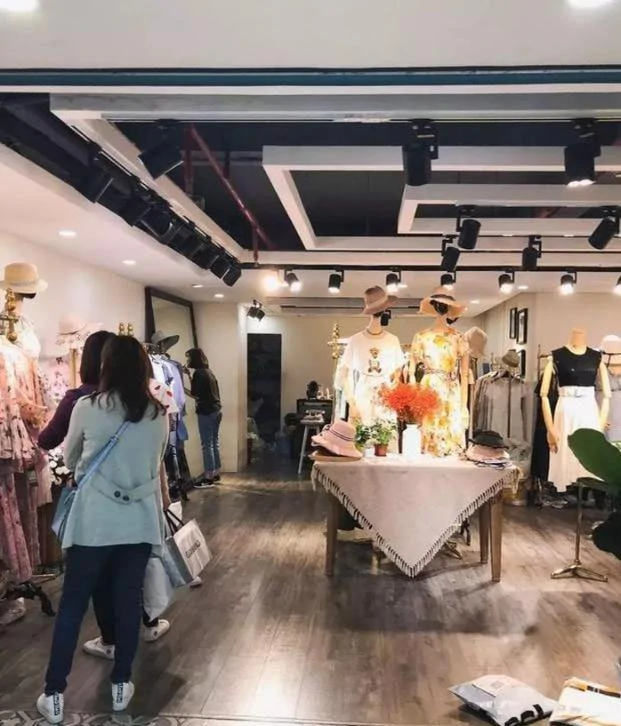
Figure 1: Typical wholesale showroom in Guangzhou’s Liwan District.
The segment for trendy affordable women’s clothing from China online is arguably the most fast-paced sector of the industry. Trends change weekly, driven by social media platforms like TikTok and Instagram. Chinese manufacturers have adapted to this “ultra-fast fashion” model with incredible agility.
When sourcing women’s fashion, buyers should focus on “Ready-to-Ship” categories if speed is the priority. Many suppliers in Guangzhou hold stock of the latest trending items. However, quality control is paramount here. Since production speeds are high, common defects include loose threads, asymmetrical seams, and inconsistent sizing.
Material Awareness: A significant portion of budget-friendly fashion from China utilizes synthetic blends (Polyester/Spandex) to keep costs low. While these are acceptable for fast fashion, be wary of suppliers claiming “100% Silk” or “100% Cotton” at rock-bottom prices. A burn test on a sample can quickly verify natural vs. synthetic fibers.
Cheap Kids Clothes: Safety Compliance is Non-Negotiable
Sourcing children’s apparel presents a unique set of challenges. Many boutique owners specifically search for cheap kids clothes from china with no minimum order to stock a variety of sizes and styles without heavy inventory risk. However, this category is heavily regulated. Unlike women’s fashion, where a poor-quality garment is a nuisance, a non-compliant children’s garment is a legal liability.
⚠️ Critical Safety Warning for Importers
If you are importing to the USA or Europe, you must ensure compliance with:
- USA (CPSC/CPSIA): Strict limits on lead (in zippers/buttons) and phthalates. Children’s sleepwear must meet flammability standards (16 CFR 1615/1616). Tracking labels are mandatory.
- EU (EN 14682): Strict regulations on cords and drawstrings in children’s clothing to prevent strangulation hazards.
When looking for cheap kids clothes from China, do not prioritize price over safety. Ask suppliers for their “Children’s Product Certificate” (CPC) for the US market. If a supplier cannot provide test reports for lead content or flammability, do not buy from them. Utilizing a professional sourcing service like SnapSpreadsheet can help ensure that the factories you work with understand and adhere to these international safety directives, protecting your business from customs seizures and lawsuits.
Methodology: How to Import Cheap Clothes from China for Resale
The logistics of how to import cheap clothes from China for resale involves more than just selecting products. It requires a methodical approach to Landed Cost calculation and customs clearance.
1. Understanding Harmonized System (HS) Codes
Every product has a numerical classification used by customs to determine duty rates. Using the wrong code can lead to fines.
- Example: Cotton T-Shirt: 6109.10
- Example: Synthetic Dress: 6204.43
- Tip: Duty rates on apparel can be high (e.g., up to 32% for some synthetic items in the US). Always verify the duty rate before setting your retail price.
2. The “Landed Cost” Calculation
Novice importers often calculate profit based on the FOB (Free on Board) price. The true cost is the “Landed Cost.”
Formula:
Landed Cost = (Product Cost + Shipping + Insurance + Customs Duties) / Number of Units
Example Scenario:
100 Dresses @ $5.00 each = $500
Shipping (Air Express) = $150
Duty (16%) = $80
Total Cost = $730
Real Unit Cost = $7.30 (Not $5.00)
3. Compliance Labeling
Before shipping, ensure the clothes meet the labeling requirements of the destination country. For the US and EU, labels must typically state:
- Fiber Content (e.g., “100% Polyester”) – Must be accurate within a 3% tolerance.
- Country of Origin (“Made in China”).
- Manufacturer/Importer Identity (RN Number in USA).
- Care Instructions (Symbols or text).
Logistics: Balancing Speed and Cost
To maintain the margin on Discounted China Fashion Imports, selecting the right shipping method is critical. The balance between speed and cost can determine the viability of your business model.
| Mode | Transit Time | Cost Profile | Best Use Case |
|---|---|---|---|
| Express (DHL/UPS) | 3-7 Days | High ($8-12/kg) | Samples, Emergency Stock, High-Value Items |
| Dedicated Line (Air) | 10-15 Days | Medium ($5-8/kg) | E-commerce standard inventory (SnapSpreadsheet preferred) |
| Sea Freight (LCL) | 25-45 Days | Low | Bulk orders (1-10 CBM) |
| Sea Freight (FCL) | 25-40 Days | Lowest | Massive bulk (Container load) |
For many small to medium businesses, the “Dedicated Line” or “Reverse Direct Mail” offered by modern sourcing companies provides a sweet spot. This method aggregates shipments from multiple clients into one air cargo shipment, clearing customs in bulk, and then injecting the packages into the local courier network (like USPS, Royal Mail, or DHL) for final delivery. This is a core service provided by SnapSpreadsheet, allowing for competitive shipping rates to the US, Canada, UK, and EU without the slowness of sea freight.
Frequently Asked Questions (FAQ)
1. What are the best websites to buy cheap clothes from China with free shipping?
For small orders or dropshipping, AliExpress and DHgate are popular choices with free shipping options (though often slow). For true wholesale B2B pricing, platforms like 1688.com are superior but require an agent. SnapSpreadsheet allows you to access these domestic Chinese platforms from abroad, often resulting in lower total costs even after shipping fees.
2. How can I verify a wholesale clothing distributor in China?
Always check for third-party verification (SGS/TÜV) on B2B platforms. Request their business license and export license. The most effective method is to hire a sourcing agent to perform a factory audit or to order a sample and subject it to rigorous wash and fabric weight testing before committing to bulk.
3. Is it safe to import kid’s clothing from China?
Yes, provided you strictly enforce compliance. You must ensure products meet CPSIA (US) or REACH/EN standards (EU). Require a Children’s Product Certificate (CPC) and test reports for lead and flammability. Avoid suppliers who cannot provide this documentation.
4. What is the difference between FOB and DDP shipping?
FOB (Free on Board): The supplier is responsible only until the goods are on the ship in China. You pay for ocean freight, insurance, and customs. DDP (Delivered Duty Paid): The supplier (or agent) handles everything, including shipping and customs duties, delivering the goods to your door. DDP is recommended for beginners.
5. Can I return goods if they are defective?
Returning goods to China is notoriously difficult and expensive due to Chinese import duties. The best strategy is prevention: use a sourcing agent to inspect goods before they leave China. If defects are found upon arrival, most suppliers will offer a credit on the next order rather than a refund/return.
Conclusion: Building a Sustainable Sourcing Strategy
Sourcing cheap clothes from China offers a pathway to immense profitability and variety for fashion retailers worldwide. By leveraging the unparalleled manufacturing capabilities of regions like Guangzhou and Ningbo, businesses can access Affordable Chinese Apparel that meets modern trends and consumer demands. Whether you are seeking trendy affordable women’s clothing from China online or establishing a bulk supply chain for basics, the key lies in diligence, relationship building, and strict adherence to import regulations.
From distinguishing between “International” and “Domestic” platforms to navigating the complexities of customs duties and safety compliance, this guide serves as a roadmap for your procurement journey. The era of blind buying is over; the era of data-driven, compliant sourcing is here.
Ready to Streamline Your Sourcing from China?
Don’t let language barriers, payment restrictions, or logistics headaches slow down your business. SnapSpreadsheet is your trusted partner for reverse purchasing. We specialize in sourcing any product from China—specifically tapping into the domestic 1688/Taobao markets for the best prices—for customers in the US, Canada, UK, Australia, Netherlands, Germany, France, Italy, Spain, and beyond.
Start Sourcing Professionally Now →
Join thousands of satisfied international retailers optimizing their supply chain today.
